
Florida Roof Cleaning Rules: How Soft Washing Protects Asphalt Shingles From Salt Air Corrosion
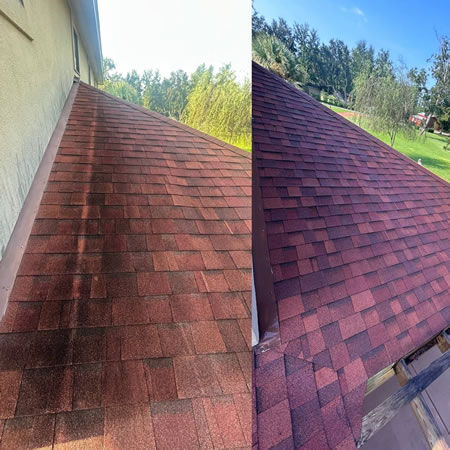
Florida roofs take a daily beating. Humid air, salt spray, and strong sun invite black streaks and early wear. If you are seeing stains on your shingles, the safest fix is a low-pressure approach called soft washing. It is designed for asphalt shingles and follows common manufacturer guidance, unlike high-pressure methods that can void warranties. For a deeper look at the process, explore our roof cleaning service with Sunshine Pressure Washing.
Why Black Streaks Spread Faster in Florida’s Climate
Those dark streaks are not dirt. They are colonies of a blue-green algae called Gloeocapsa magma. The algae feed on limestone fillers in many shingles and thrive where moisture lingers. Florida’s mix of salty sea air, afternoon storms, and shaded roof sections gives algae exactly what it needs.
From the Panhandle to Miami-Dade, coastal breezes move spores from roof to roof. North-facing slopes dry last. Tree canopies over driveways hold dew on the granules. Add summer heat and you get faster growth and deeper stains.
Soft Washing vs. High Pressure: Protecting Asphalt Shingles
High-pressure water can strip protective granules, drive water under shingles, and damage flashing. That is why many shingle makers warn against it. Soft washing uses low pressure with a targeted cleaning blend that breaks down the algae’s protective film and neutralizes spores so stains do not rush back.
- Low pressure preserves the shingle surface and roof system
- Targeted solutions stop Gloeocapsa magma at the source
- Gentle rinse protects landscaping and prevents runoff issues
Never use high pressure on asphalt shingles. If you do, you risk granule loss, leaks, and warranty trouble. Soft washing is the safer, longer-lasting path for Florida roofs.
Does Pressure Washing Ruin Shingles?
On delicate roofing, it often can. Shingles are built to shed rain, not to take a blast from a close-range nozzle. High pressure can shorten roof life, force water behind edges, and create a patchy look. Soft washing avoids those risks while removing the stains you see and the spores you cannot.
The Building-Science Case: Cooler Roof, Lower Bills
Dark streaks lower a roof’s reflectance. A darker surface runs hotter under Florida sun, and that heat can raise attic temperatures and make your AC work harder. Clearing the streaks helps shingles reflect light more evenly again, which can reduce heat gain on sunny afternoons.
In practical terms, a clean, even-toned roof can help stabilize attic temperatures and support better airflow from soffit to ridge. That is a simple building-science win that can contribute to lower cooling demand during Florida’s long summer.
Black streaks are living algae, not harmless dirt. Treating them with the right method is about protection as much as it is about curb appeal.
Salt Air And Coastal Homes: Preventing Corrosion Under the Granules
Along Florida’s coasts, salt crystals travel inland on sea breeze. They mix with pollen and dust to form a sticky film that holds moisture on your shingles. That film traps fine salts against metal elements such as nails and flashing, and it slows drying time at the shingle surface.
Soft washing helps here, too. By removing the biofilm and residue that cling to granules, a professional roof cleaning reduces the time moisture sits on your roof and keeps corrosive particles from camping out in the rough texture of the shingles. The result is a roof that dries faster after storms and looks uniform from ridge to gutter.
Local insight: Homes within a few miles of the Gulf or Atlantic often see faster algae return after late-summer storms. Scheduling soft washing before peak hurricane season gives your roof a clean slate so salt film and spores have less to grab onto.
What To Expect From A Professional Visit
Sunshine Pressure Washing is a pressure washing company that uses soft washing on roofs because it is safer for shingles. A trained team will review the roof type and slope, protect nearby plants, and apply a low-pressure treatment that targets algae. After a proper dwell period, they use a gentle rinse to reveal an even, clean surface. The goal is a uniform result without disturbing the roof system.
Many homeowners pair roof care with related exterior services so the whole home looks consistent. If your siding picked up mildew or a light salt film, consider same-day house washing so trim, fascia, and soffits match the new roof color.
How Often Florida Roofs Need Attention
Timing depends on shade, trees, wind exposure, and proximity to the coast. Many Florida homes do well with soft washing every one to three years. Shaded roofs or lots near water often need shorter intervals. If you see streaks returning before a year passes, it is a sign that conditions are especially favorable for algae and a maintenance visit can reset the clock.
Regular cleaning is not just cosmetic. Keeping biofilm off shingles can help them shed rain and heat more predictably. That protects curb appeal and supports long-term performance in our humid climate.
Will Soft Washing Void My Shingle Warranty?
Most manufacturers caution against high-pressure washing because it can harm shingles. Soft washing aligns with common care guidance that calls for low pressure and approved cleaning practices. Always check your specific warranty, but the industry trend is clear: choose a low-pressure method to protect your warranty and your roof.
Energy And Comfort: Why A Cleaner Roof Feels Different Inside
On a bright Florida afternoon, a streaked roof absorbs more heat in the stained zones. That patchwork can warm roof decking unevenly and add load to your attic insulation and ductwork. After a proper soft wash, the roof surface returns to a more uniform color and reflectance. Many homeowners notice fewer hot spots in upstairs rooms and a steadier indoor feel on sunny days.
- More even shingle color helps reduce localized heat spikes
- Attic temperatures can stabilize when the roof sheds heat better
- AC runs more efficiently when the building shell gains less heat
Soft Washing, Step By Step (Without The DIY Risks)
It is tempting to rent equipment, but roofs are high, slick, and complex. A professional team brings safety gear, application controls, and training that protect the roof system and your landscaping. They also know how long to let solutions work so algae detach cleanly without abrasion.
When you want a safe, lasting result, schedule professional roof cleaning with a trusted crew rather than trying to do it yourself.
When To Schedule In Florida’s Seasons
Spring soft washing treats fresh growth before summer storms. Late fall can also work well after peak hurricane season, especially for homes near bays, causeways, and open beaches. Inland neighborhoods with heavy oak or pine cover may benefit from late winter visits that clear pollen film before the first heat wave.
Whenever you book, look for a company that uses plant-safe practices and respects low-pressure rules on shingles. A careful process today helps your roof last longer tomorrow.
Choose A Florida Team You Can Trust
With Sunshine Pressure Washing, you get a local exterior cleaning partner that understands Florida’s heat, humidity, and salt air. Our focus is on long-lasting results, not quick blasts. If you want to see how we handle delicate surfaces around your home, you can read more about our pressure washing for harder materials like concrete and pavers.
Ready for a cleaner, cooler roof and better curb appeal across Florida? Start with the company homeowners trust for roof cleaning florida and a careful soft wash approach. Call us at 850-723-3100 to get on the schedule with a friendly, trained team that treats your home with care.